

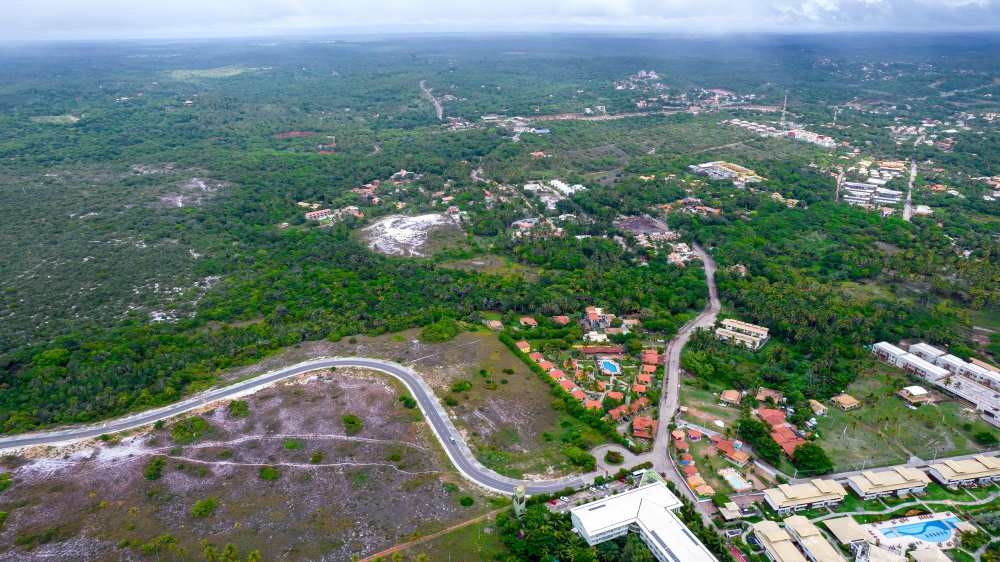
In Nigeria, real estate conversations often begin and end with one phrase: “Buy land.”
It is simple, widely accepted, and often correct — but it is also incomplete.
Because not all land creates value.
The difference between a profitable investment and a stagnant one is rarely about ownership alone. It is about quality of acquisition, context of location, and the future of the surrounding environment.
To understand this, you have to look beyond the transaction itself.
The first layer is credibility. In a market where land disputes, overlapping ownership claims, and documentation issues are still prevalent, the integrity of a property is everything. A piece of land without clear title is not an asset — it is a liability waiting to surface.
This is why experienced investors prioritize verification over urgency. The excitement of a “good deal” often fades quickly when legal complications arise.
But even when land is secure, a second question becomes more important:
What is happening around it?
Real estate value is rarely created in isolation. It is shaped by infrastructure, accessibility, and demand patterns. Roads, drainage systems, electricity access, and proximity to urban centers all influence how quickly and how strongly a property appreciates.
This is where many investors make a critical mistake — they buy based on price, not trajectory.
A cheaper plot in a stagnant area can remain cheap for years.
A well-positioned plot in a developing corridor can double in value within a relatively short period.
The difference is not luck. It is understanding growth patterns.
There is also a third layer that is becoming increasingly important in Nigeria: structure.
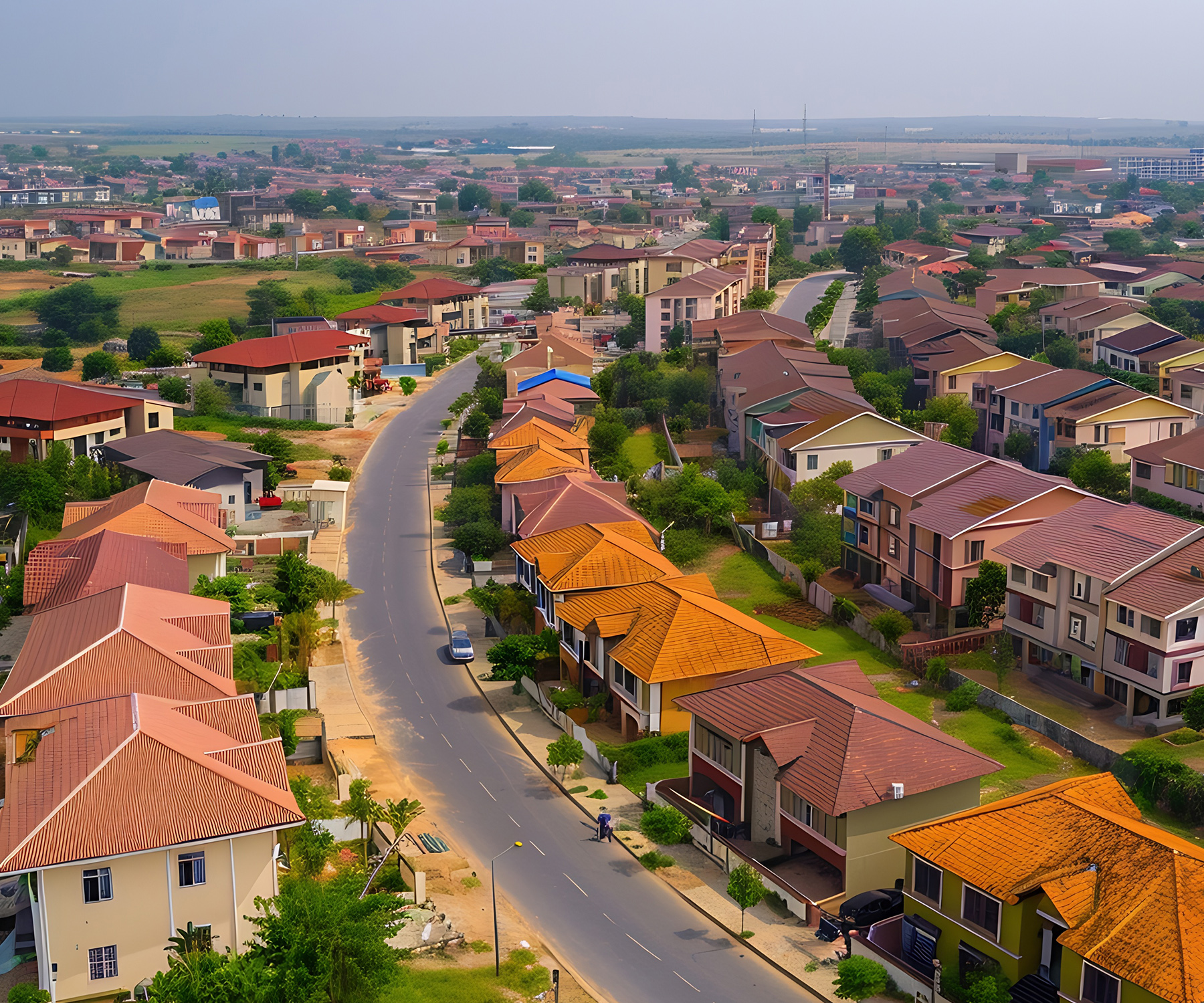
Unplanned environments may offer lower entry points, but they often come with long-term challenges — poor access, lack of drainage, inconsistent development, and limited resale appeal. On the other hand, structured estates introduce a level of order that directly impacts value.
Buyers are willing to pay more for:
- Defined layouts
- Organized infrastructure
- Security and accessibility
- A clear vision of what the community will become
This is why master-planned developments consistently outperform scattered land holdings.
Finally, there is the question of time.
Real estate is not an overnight investment. It rewards patience — but only when the fundamentals are right. A well-chosen property, in a credible location, with strong development indicators, will almost always appreciate over time.
A poorly chosen one will simply sit.
The idea that “land never depreciates” is comforting, but not entirely accurate. Land can remain stagnant if the surrounding conditions do not evolve.
True value in real estate comes from alignment — between location, infrastructure, demand, and planning.

Ownership is only the beginning.
What you own — and where — is what determines everything else.