


For a long time, real estate in Nigeria has been driven by a single priority: build as much as possible, as quickly as possible.
That approach solved one problem — housing supply — but it created several others.
Poorly planned neighborhoods, inadequate infrastructure, limited green space, and long-term maintenance challenges have become common across many urban areas. As cities expand, these issues are becoming harder to ignore.
And quietly, expectations are changing.
Today’s homebuyer is more aware, more exposed, and more selective. They are not just looking for a place to live — they are looking for a better way to live.

This is where the idea of sustainable communities begins to take shape.
Sustainability in real estate is often misunderstood as a purely environmental concept. In reality, it is broader than that. It is about creating developments that are efficient, livable, resilient, and future-ready.
In the Nigerian context, this has very practical implications.
Energy efficiency, for instance, is no longer a luxury. With the ongoing challenges around power supply, developments that integrate alternative energy solutions — such as solar systems — offer a clear advantage. They reduce long-term costs and provide a level of independence that traditional housing cannot.
Water management is another critical factor. Proper drainage systems, water recycling, and planned infrastructure help prevent flooding and reduce environmental stress — issues that affect both property value and quality of life.
But sustainability is not only about infrastructure. It is also about how people experience space.
Green areas, walkable layouts, and community-focused design contribute to well-being in ways that are often underestimated. They create environments where people can interact, relax, and feel a sense of belonging — something that is increasingly rare in congested urban settings.
There is also a financial dimension to this shift.
Globally, investors are paying closer attention to ESG (Environmental, Social, and Governance) standards. Developments that align with these principles are more attractive to institutional capital, more resilient in the long term, and often command higher value.
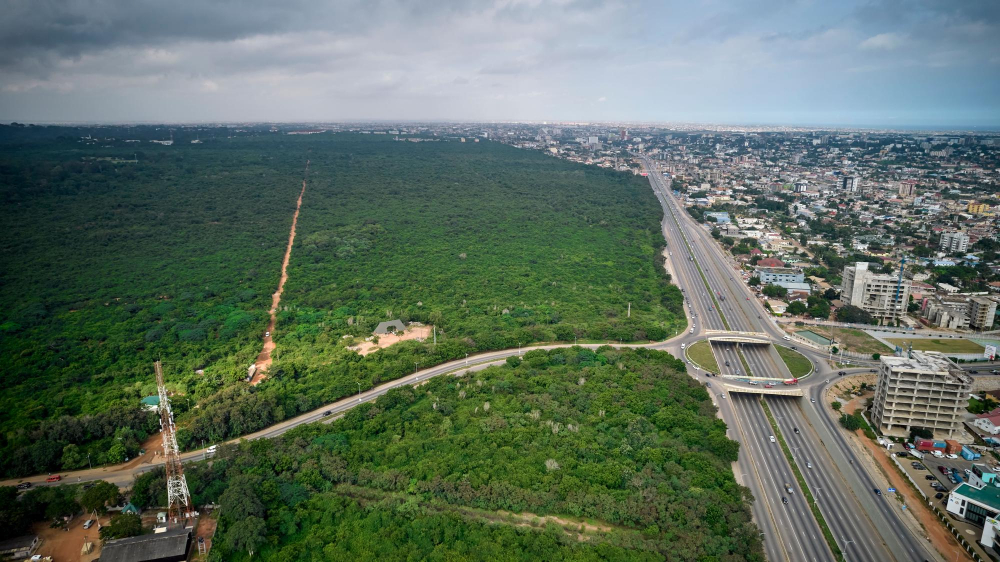
Nigeria is gradually aligning with this trend.
Developers who understand this are beginning to move away from short-term construction models toward long-term community building. The focus is shifting from simply delivering units to creating environments that can sustain value over decades.
This transition will not happen overnight. But it is already underway.
The future of real estate in Nigeria will not be defined by how many buildings are constructed, but by how well those developments function over time.
Sustainability, in this sense, is not just an environmental responsibility.
It is a strategic advantage.
And ultimately, it is what will separate developments that endure from those that fade.